Emerging Technologies in Life Sciences
.png)
From reproducing fully-functioning human organs on a single chip, to lab engineering the food we consume, there’s no doubt that the Life Sciences industry is charging full steam ahead when it comes to harnessing the latest technological advancements.
We heard that emerging technologies were at the top of your reading list, so we compiled a list of the newest and most ground-breaking technologies appearing across the market. The question is...where do these technologies really leave the future of healthcare?
Spatial Omics: From Reading Biology to Mapping It
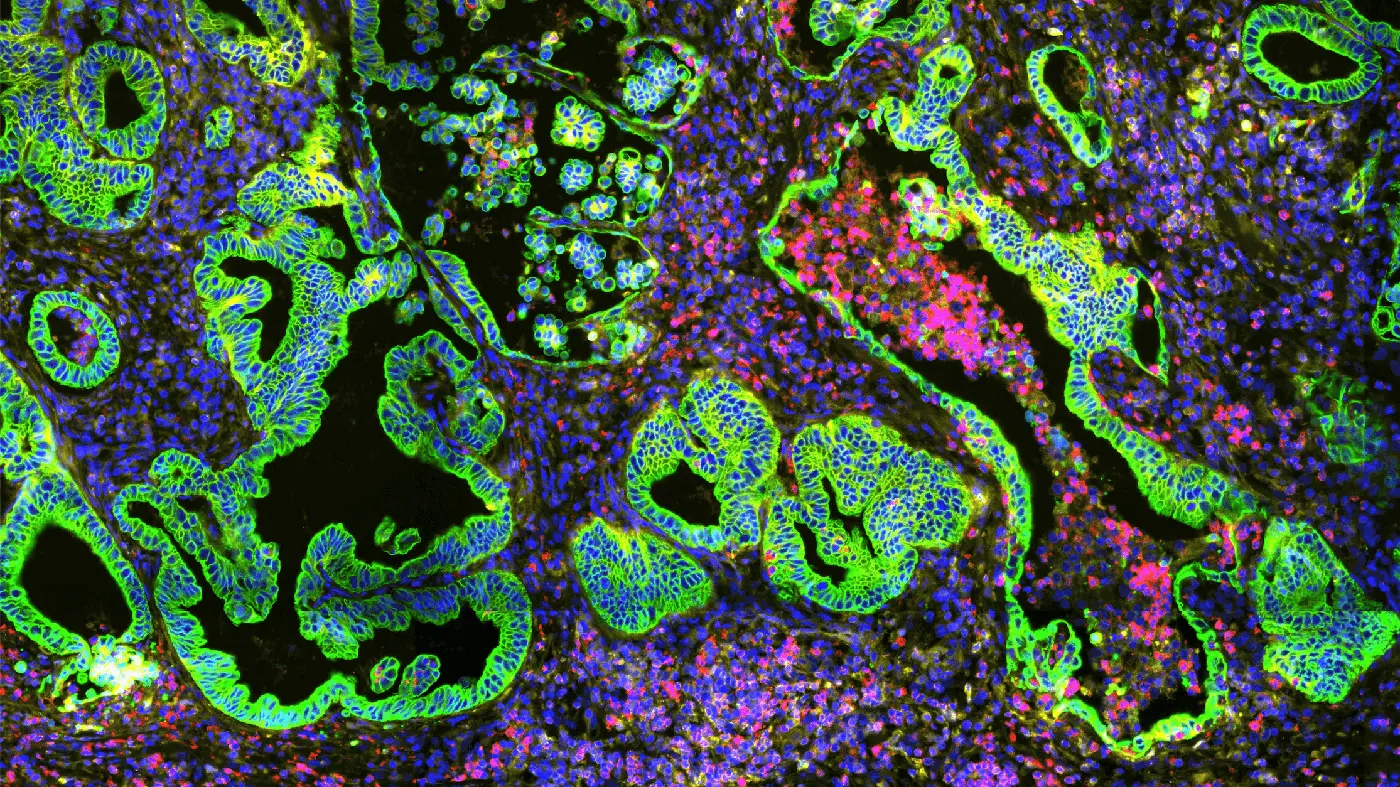
Offering promising advancements in cancer research, brain mapping, and developmental biology, to name just a few, Spatial Omics is the process of tracking biomolecules directly inside intact tissue sections. As a result, this preserves the exact physical location of the cells and allows scientists to understand how these cells are interacting within their natural environment.
This offers promise when tracking tumor cells within the tumor itself, mapping complex neural networks in brain tissues, and capturing analytical breakthroughs that change the way research and developing cures are approached.
In-Vivo Cell Engineering: Could we turn the body into the manufacturing site for its own therapy?
.png)
Lilly’s recent acquisition of Orna signals a major shift in favour of In-Vivo cell engineering. The process - unlike regular ex-vivo which extracts the cells from the body to modify them, before replacing them - involves modifying these cells within the body itself. This essentially creates a quicker, less-invasive model for cell engineering, and has the potential to change the way - and for the amount of time - which patients are treated.
Physical & Digital Twins: A virtual patient before real-world intervention
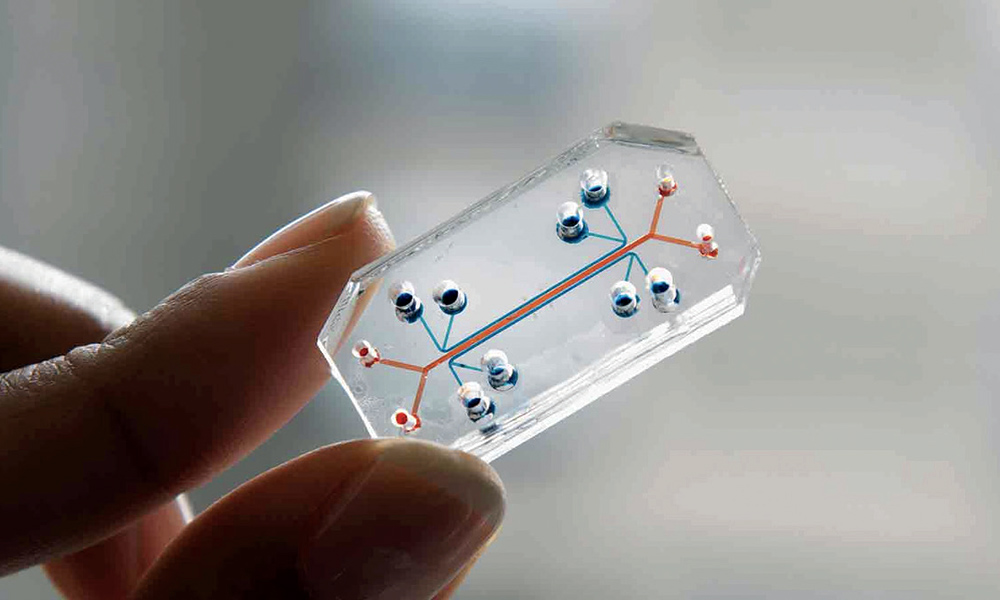
Recently taking a surge in the healthcare industry, digital twins offer a cost-effective, non-invasive way of testing the outcomes of medications or treatments, before performing them on human candidates. This involves using intricately coded digital software to replicate the systems found in the body, measuring how they would react to certain treatments.
Physical twins no longer simply refer to the human patient, but in fact living organs-on-a-chip, created to mimic the systems within the human body. These simulated organs allow scientists to physically test new treatments and identify reactions from these living tissues before taking new medications to human trials.
Although not the sole method for testing novel treatments and drug development, it cannot be argued that these new technologies aid the advancement of therapies, and play a huge role in reducing reliance on animal testing, creating a much more ethically grounded model for drug and therapy-testing.
Precision Fermentation: Engineering microorganisms to produce the ingredients of tomorrow.
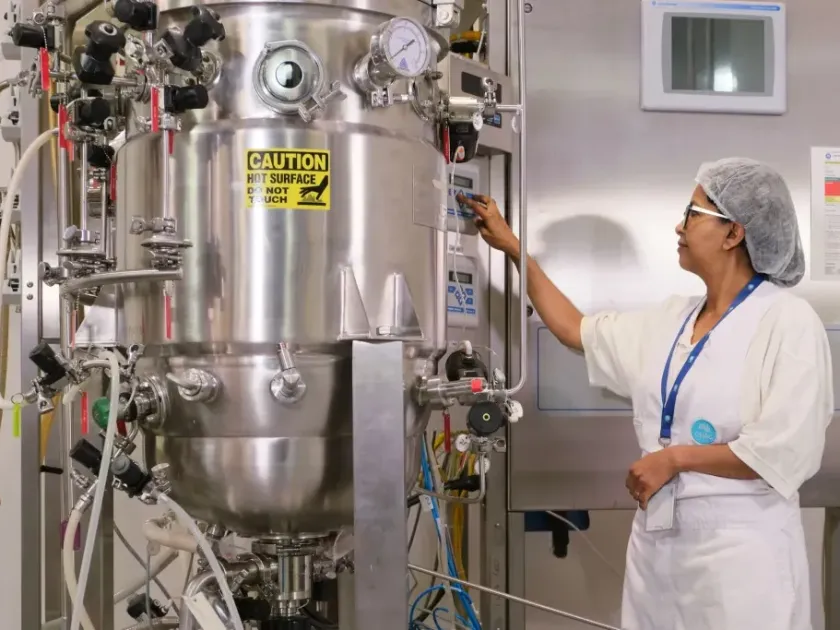
Precision fermentation is changing the way we produce everything from proteins and fats to vitamins and functional ingredients. By programming microorganisms such as yeast or bacteria to produce specific compounds, scientists can recreate ingredients traditionally sourced from animals or plants - without relying on the original source.
Already being explored across alternative proteins, dairy, nutrition and pharmaceuticals, the technology offers the potential to create ingredients with greater consistency, functionality and sustainability. As production continues to scale, precision fermentation could fundamentally change not only what we consume, but how the ingredients behind our food, nutrition and healthcare products are made.
.png)


.png)

.jpeg)
